
Top LLMs for AI Agents in Banking: Models Powering Financial AI in 2026
admin on 11 February, 2026 | No Comments
Banking AI agents are now mission-critical — but choosing the wrong LLM can create compliance risk, security exposure, and inaccurate financial guidance.
So which LLM truly works best for banking in 2026 — GPT-5, Claude 3, Gemini, or LLaMA?
This guide breaks down performance, safety, enterprise readiness, and real-world banking use cases.
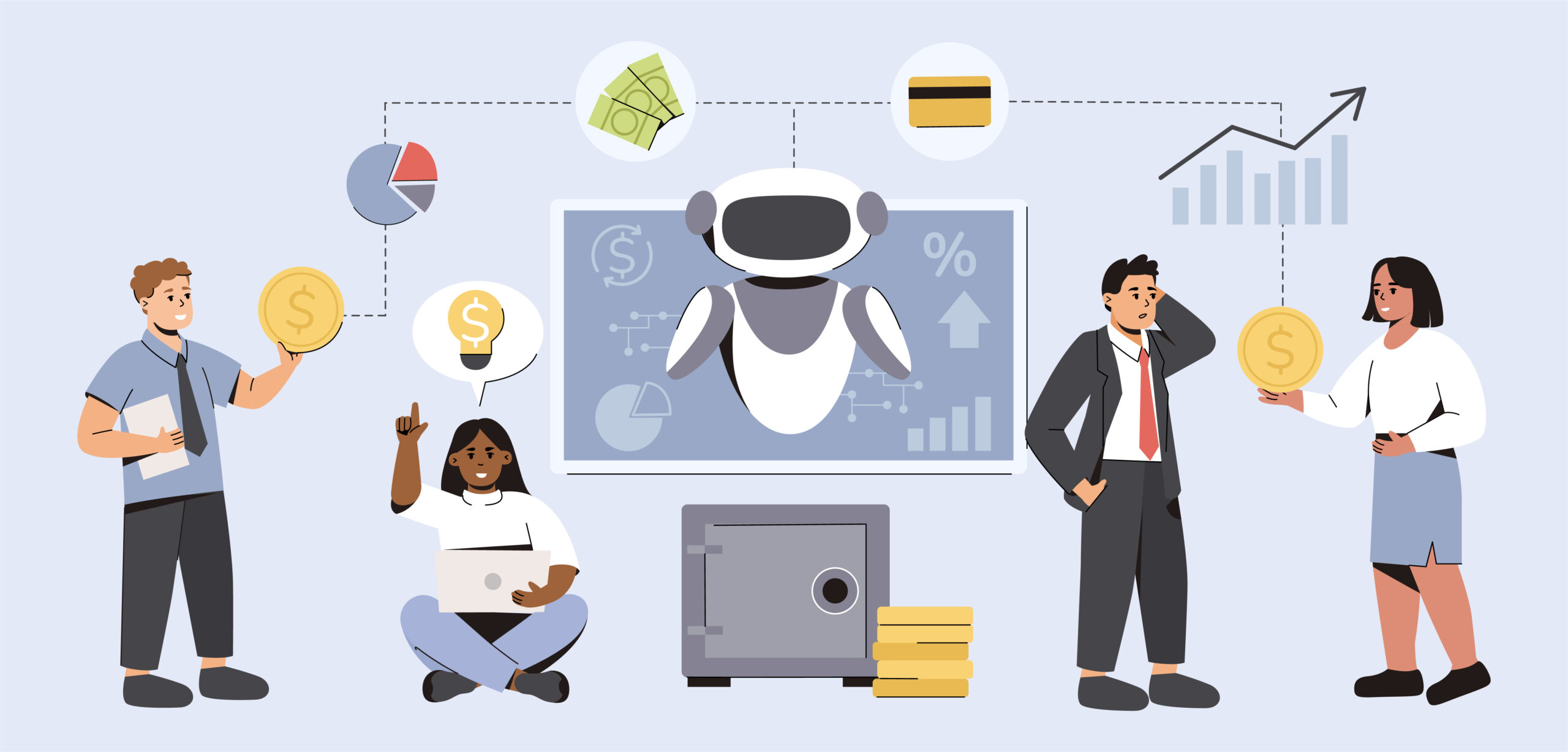
Why LLMs Matter for AI Agents in Banking
Modern banking use cases require more than simple chatbots:
- Conversational assistants that interpret complex queries (e.g., “Explain my loan amortization schedule”)
- Regulatory compliance support that references and interprets regulations
- Document understanding (KYC, loan agreements, reports)
- Fraud detection insights via anomaly pattern interpretation
- Personalized financial advice based on transaction history
LLMs power these capabilities by providing natural language understanding (NLU) and generation (NLG) at scale.
What to Look for in LLMs for Banking
Banks must prioritize models that deliver:
Interpretability & audit trails
Accuracy and factual reliability
Domain adaptation (finance, risk, compliance)
Real-time performance
Security and data privacy
Fine-tuning capabilities
Top LLMs for AI Agents in Banking (2026)
GPT-4.5 / GPT-5 (OpenAI)
Why it’s great for banking:
- Strong natural language reasoning
- Excellent context retention across long dialogs
- Can be fine-tuned for regulatory and domain data
- Built-in safety filters
Typical uses:
- Conversational banking assistants
- Customer support automation
- Regulatory summarization
Best for: Enterprises needing robust language understanding with mature ecosystem support.
Claude 3 / Claude 3.5 (Anthropic)
Why it’s great for banking:
Designed with AI safety and alignment at the core
High reliability in sensitive information tasks
Strong at multi-turn conversations
Typical uses:
- Sensitive customer interactions requiring safe responses
- Internal compliance knowledge base agents
- Risk assessment support
Best for: Banks prioritizing trustworthy and safe AI responses.
Gemini (Google DeepMind)
Why it’s great for banking:
Multi-modal capabilities (text + structured data + possibly vision)
Excellent at data interpretation and summarization
Strong integration with Google Cloud
Typical uses:
- Document understanding (e.g., contracts, KYC docs)
- Internal analytics assistance
- Fraud pattern reasoning
Best for: Organizations already using Google Cloud infrastructure.
LLaMA 3 / Falcon (Open-source LLMs)
Why it’s great for banking:
Fully customizable and locally hosted
Avoids data movement to public APIs
Lower usage costs
Typical uses:
On-premise compliance agents
Domain-specific financial reasoning tasks
Internal policy assistants
Best for: Banks needing maximum privacy and full control over data.
Custom Hybrid Models (Industry + Proprietary Data)
Some leading banks combine base LLMs with proprietary risk data, regulatory libraries, and transaction logs to build hybrid models.
Benefits:
- Deep domain expertise
- Tailored risk reasoning
- Increased business value
Best for: Large financial institutions with rich internal datasets.
Use Cases: LLM-Powered AI Agents in Banking
Conversational Customer Support
AI agents handle queries like:
- “What’s my savings interest rate?”
- “Explain charges on my statement”
- “How do I dispute a transaction?”
Models like GPT-5 or Claude provide dynamic and compliant responses.
Document Analysis & KYC Automation
LLMs parse and summarize:
- Loan agreements
- Identity documents
- Compliance checklists
LLMs + RAG (Retrieval Augmented Generation) ensure accurate answers tied to internal documents.
Risk & Compliance Support
AI agents analyze:
- Risk reports
- AML alerts
- Audit trails
LLMs assist analysts by surfacing key insights and historical patterns.
Personalized Financial Advice
With secure access to user data:
- Budget suggestions
- Savings goals
- Loan recommendations
AI agents provide personalized insights while respecting privacy.
Challenges & Considerations
Even top LLMs must be deployed with caution:
Data Security
Ensure sensitive data stays on-premise or within secure, compliant environments.
Regulatory Compliance
AI responses must align with:
GDPR/consumer privacy requirements
RBI guidelines
PCI-DSS standards
How to Choose the Right LLM for Your Bank
| Priority | Best Choice |
|---|---|
| Safety & Alignment | Claude 3 / Claude 3.5 |
| Enterprise Support | GPT-4.5 / GPT-5 |
| On-Premise Security | LLaMA / Falcon (Open-source) |
| Document Parsing | Gemini (Google) + RAG |
| Custom Domain Logic | Hybrid Fine-Tuned Models |
Best Practices for LLM Deployment in Banking
Use RAG with Internal Knowledge Bases
Combine LLMs with secure document stores for accurate, context-aware responses.
Fine-Tune on Banking Data
Train models on internal policies, product catalogs, and compliance libraries.
Monitor & Evaluate Continuously
Track:
- Quality metrics
- Safety filters
- Response accuracy
Test for Bias & Fairness
Ensure financial recommendations are equitable and compliant.
Implement Human-in-the-Loop
Complex cases should be escalated to financial experts.

Conclusion
In 2026, LLM-powered AI agents are no longer futuristic — they are mission-critical tools for modern banking. The right model depends on your security needs, compliance risk, infrastructure, and business goals.
From GPT-5 to Claude 3 to custom hybrid models, today’s LLM ecosystem provides options for every banking use case — from customer support to regulatory intelligence.
Choosing wisely can unlock operational efficiency, cost savings, improved CX, and stronger risk management.
Related Topics
FAQs
Q1: What are AI agents in banking?
AI agents in banking are intelligent systems powered by Large Language Models (LLMs) that can automate tasks like customer support, fraud detection, compliance checks, and financial analysis using natural language interactions.
Q2: Which LLM is best for AI agents in banking?
The best LLM depends on the use case: GPT models are ideal for conversational AI, Claude excels in safety and compliance, Gemini is strong in data analysis, and open-source models like LLaMA are preferred for secure, on-premise deployments.
Q3: Why do banks use LLMs for AI agents?
Banks use LLMs to automate workflows, understand complex customer queries, analyze financial data, and improve decision-making while ensuring faster and more efficient operations.
Q4: Are LLMs safe for banking applications?
Yes, but only when deployed with proper security measures like encryption, access control, audit trails, and compliance with regulations such as GDPR and PCI-DSS.
Q5: Can banks use open-source LLMs?
Yes, open-source LLMs like LLaMA allow banks to deploy AI systems on-premise, ensuring better data privacy, customization, and regulatory compliance.
Q6: How do AI agents improve customer experience in banking?
AI agents provide instant responses, personalized financial insights, and 24/7 support, reducing wait times and improving overall customer satisfaction.
Experience Intelligent Testing with Tenjin
Turn plain English into automated tests in seconds
Start Free Trial Request a Demo